
Operational continuity
Designing uniforms for modern wellness studios
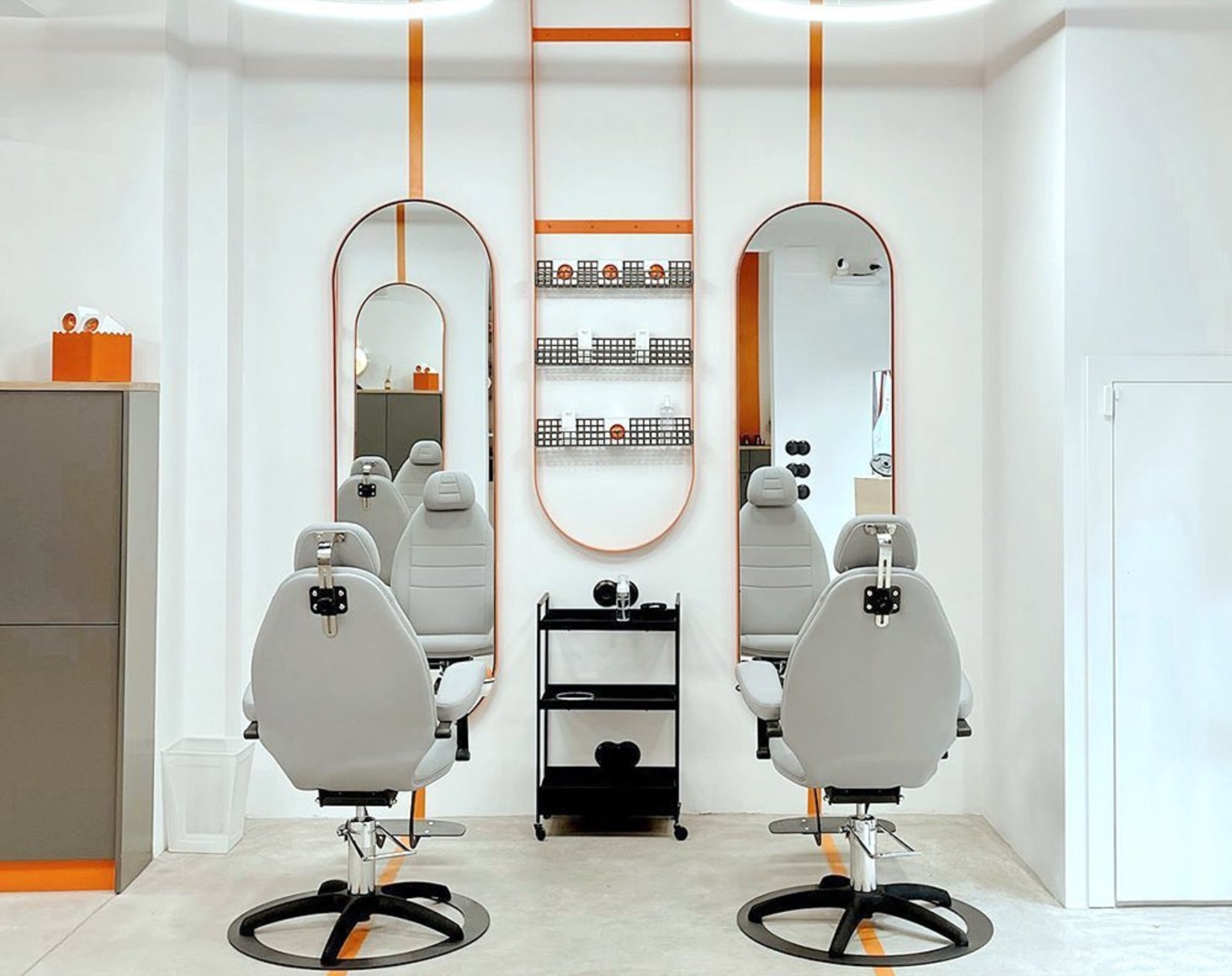
In wellness studios, the client experience begins before the treatment. Reception, materials, lighting, sound, and the visual presence of the team all shape the perception of quality. Staff clothing is therefore part of the spatial project.
For that reason, uniforms should be approached as an integrated system. Instead of choosing separate catalogue pieces, it is more effective to align the wardrobe with the architecture, service flow, and daily operational needs.
The role of uniforms in wellness settings
These environments sit between hospitality, care, and aesthetics. Clients look for precision and hygiene, but also calm and visual consistency. Uniforms need to communicate competence and comfort at the same time.
Standard tunics solve only the minimum functional requirement, but rarely reflect the language of the brand. In design-led studios, this gap becomes obvious.
Starting from the space, not from a catalogue
The right starting point is to read the interior: colour palette, material contrasts, furniture geometry, and light temperature. These elements define how the garment should appear in context.
Many contemporary studios avoid rigid clinical aesthetics and choose soft neutrals and natural textures instead. Clean silhouettes, balanced proportions, and measured details help maintain coherence.
Comfort, durability, and maintenance
Professionals carry out precise work for many hours. Uniforms need to support freedom of movement, continuous comfort, and a strong formal appearance throughout the day.
Fabric choice is decisive: breathable fibres for comfort, technical blends for durability, stable colours for frequent washing. Construction matters as well, with reinforcements in the most stressed areas to reduce premature replacement.
Visual consistency across roles
A coherent system does not mean putting every person in the exact same garment. Reception, therapists, and management can have dedicated variations, as long as they share a common visual language in colour, material, and cut.
Repeating a few codes, collar shape, sleeve finishes, or pocket logic, is enough to connect different garments within a readable team identity.
Operational continuity and repeat orders
An effective system includes continuity rules from the start: size archive, approved base patterns, replacement cycles, and repeat-order process. This avoids visual drift as the team grows or changes.
In this sector, continuity is not only a production matter. It protects image and perceived quality of service. You can see a parallel logic in our premium hotel case.
Conclusion
Designing uniforms for wellness studios means aligning space, people, and operations into one single system. When architecture, clothing, and maintenance are developed together, the team works with more clarity and fewer frictions.
For design-led studios, this approach strengthens the perception of care and professionalism in every client interaction. See also our blog and selected projects.