
Hospitality case
Custom uniforms for hospitality: design and durability in hotel workwear
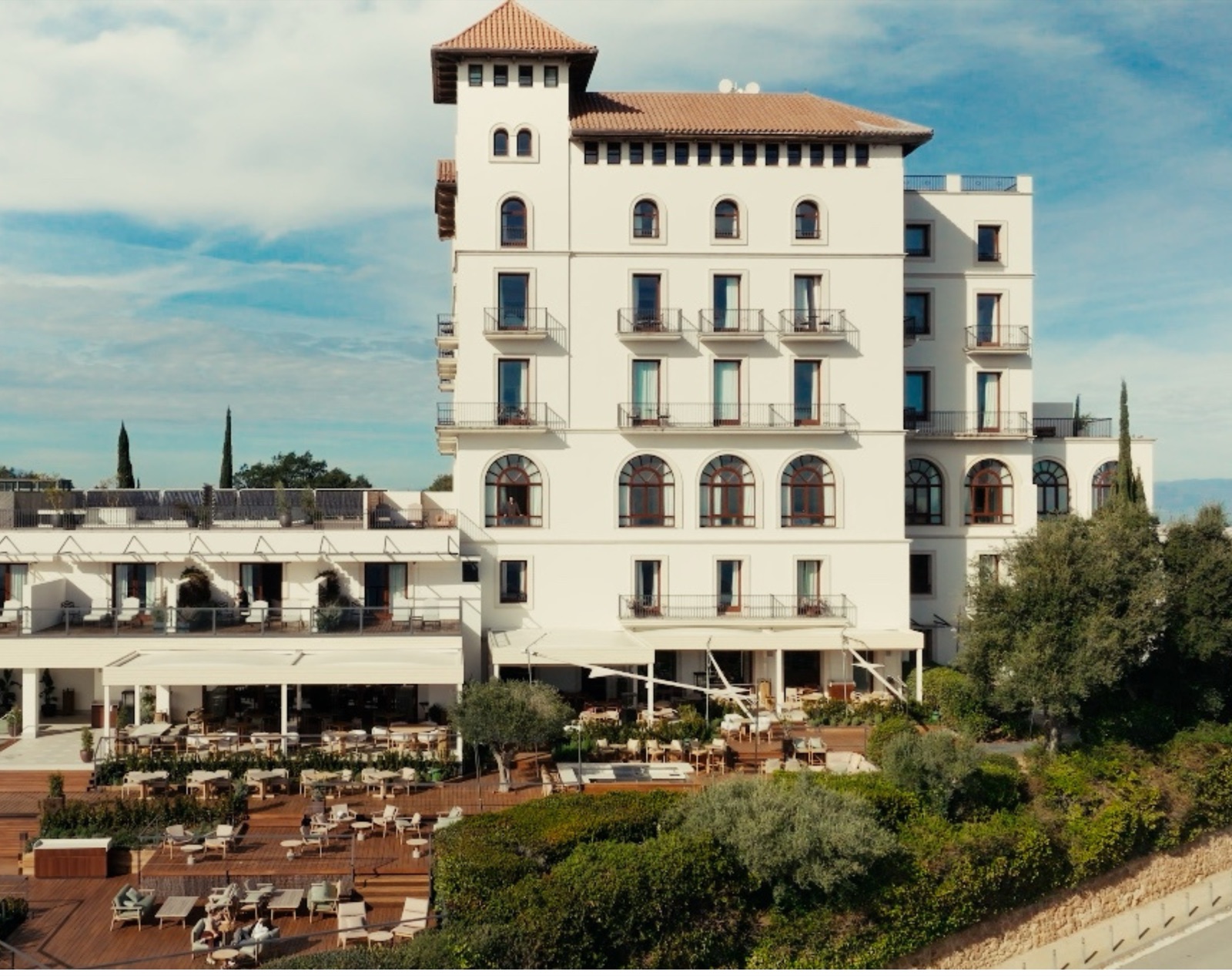
In a project carried out at METT Barcelona, a new 5-star luxury hotel, our studio created a complete uniform system for the entire team. We began with the architectural renders and the interior design concept for the bar, restaurant, and spa spaces. The uniforms were developed to sit in harmony with the hotel’s colour palettes and materials.
The Food & Beverage manager needed distinct outfits for more than 20 team members, as well as for management, according to their different roles. We therefore designed bespoke garments for front-of-house, back-of-house, and management. Fabrics were selected for performance, mainly organic cotton combined with technical fibres to ensure comfort, ease of care, and long life.
All garments were designed, prototyped, and produced in Barcelona, 315 items in total, with a local supply chain and local manufacturing. After one year of daily use, the uniforms are still in excellent condition and the staff has reported no issues.
Uniforms aligned with the hotel concept
We treated each garment as an extension of the hotel’s brand and architecture. In hospitality, the uniform is one of the first signals perceived by the guest and immediately communicates tone, quality, and service positioning.
The design choices grew out of the METT interiors. The spa team wears soft green tones derived from the decoration, while the bar and restaurant use warm neutrals and deep blues that match the interior finishes.
We worked with the interior team to translate some material details into the wardrobe. Copper elements used in the bar area, for example, became finishing details on certain jackets. Premium fabrics and resistant dyes help preserve the original appearance even under intensive use.
Choosing durable and comfortable fabrics
Hotel uniforms need to withstand heavy wear and frequent industrial laundry cycles. In real operations, garments are exposed to demanding washing conditions. For that reason, we specified materials suited to professional processes.
We used blends of organic cotton with polyester or elastane. Cotton provides breathability and softness, while synthetic fibres add strength, elasticity, and improved dimensional stability. All fabrics were mechanically pre-shrunk and dyed with high-quality pigments.
We also applied functional finishes: water-repellent and stain-resistant treatments on selected garments, and double stitching at high-stress points such as elbows and knees. In repeated cycle testing, both colour and structure remained stable.
Uniforms differentiated by role
A central decision was to build a dedicated wardrobe for each role category. Front-of-house functions, reception, floor staff, concierge, received more refined garments designed to express professionalism without restricting movement during long shifts.
Waiters and bartenders wore shirts, waistcoats, and jackets in soft stretch fabrics. Back-of-house functions, chefs, kitchen support, housekeeping, received more robust and functional garments, with patterns suited to intense operational activity.
For management, we developed bespoke sets in linen or cotton in neutral tones, consistent with the hotel’s premium positioning. This visual differentiation through colour, fabric, and cut helps make roles legible both internally and from the guest’s perspective.
Local production and sustainability
Every stage of the project took place in Barcelona, including fabric selection. Keeping design and production local improved communication, quality control, and delivery timing.
This choice also supports environmental goals: lower logistical impact and greater traceability. Wherever possible, we prioritised natural and renewable fibres, especially linen and organic cotton.
Using materials designed to withstand frequent washing also reduces waste because it extends the useful life of the garments. The project therefore brings together local manufacturing and sustainability applied to concrete operational needs.
Maintenance, performance, and staff feedback
After one year of daily use, we evaluated the uniforms thoroughly. Most garments remained in excellent condition, with good retention of colour and shape.
High-wear areas such as collars, cuffs, and pockets showed limited deterioration despite repeated industrial washing. Staff confirmed ongoing comfort and ease of use.
In hospitality, the absence of complaints about fit and functionality is often the most reliable sign that the uniform system was designed correctly.
Conclusion
The METT Barcelona programme shows that hotel uniforms perform best when they are treated as an integrated system rather than isolated garments. By aligning design with the hotel’s identity, choosing fabrics suited to intensive use, differentiating solutions by role, and simplifying maintenance, the uniform supports both operations and brand perception at the same time.
For hospitality teams, the key point is to invest from the start in material quality and function-led design logic. The benefits emerge over time: greater durability, stronger staff confidence, and a better guest experience. You can also explore our process and selected projects.